Quick facts
| Rank | Family |
|---|---|
| Author | Cactaceae Juss., Gen. Pl. [Paris]: 310 (1789) |
| Parent taxa | Order Caryophyllales |
| Subfamilies | 6: Pereskioideae, Leuenbergerioideae, Opuntioideae, Maihuenioideae, Blossfeldioideae, Cactoideae |
| Scale | Roughly 150 genera and over 1,400 species across current treatments; de Vos et al. (2025) recognize 155 genera in their classification |
| Type genus | Mammillaria Haw. |
Description
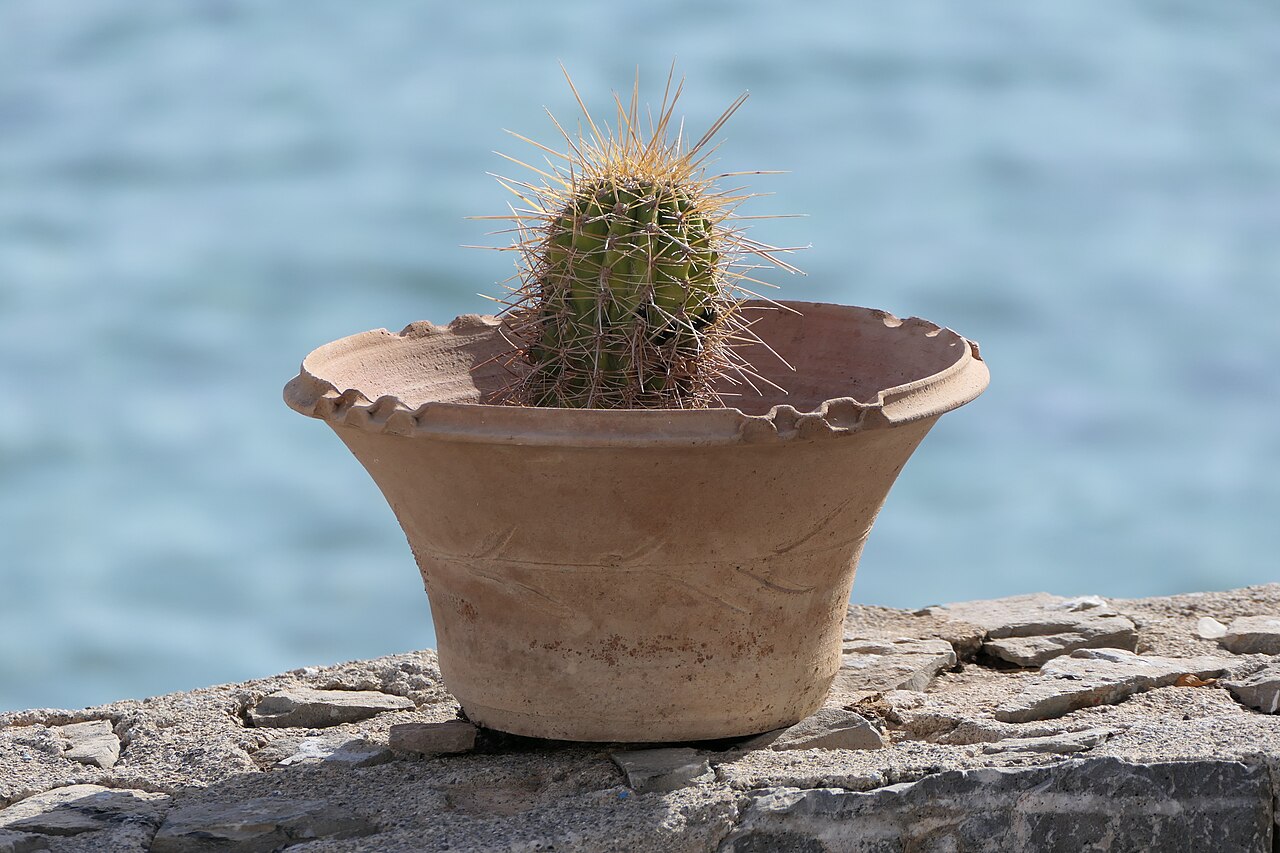
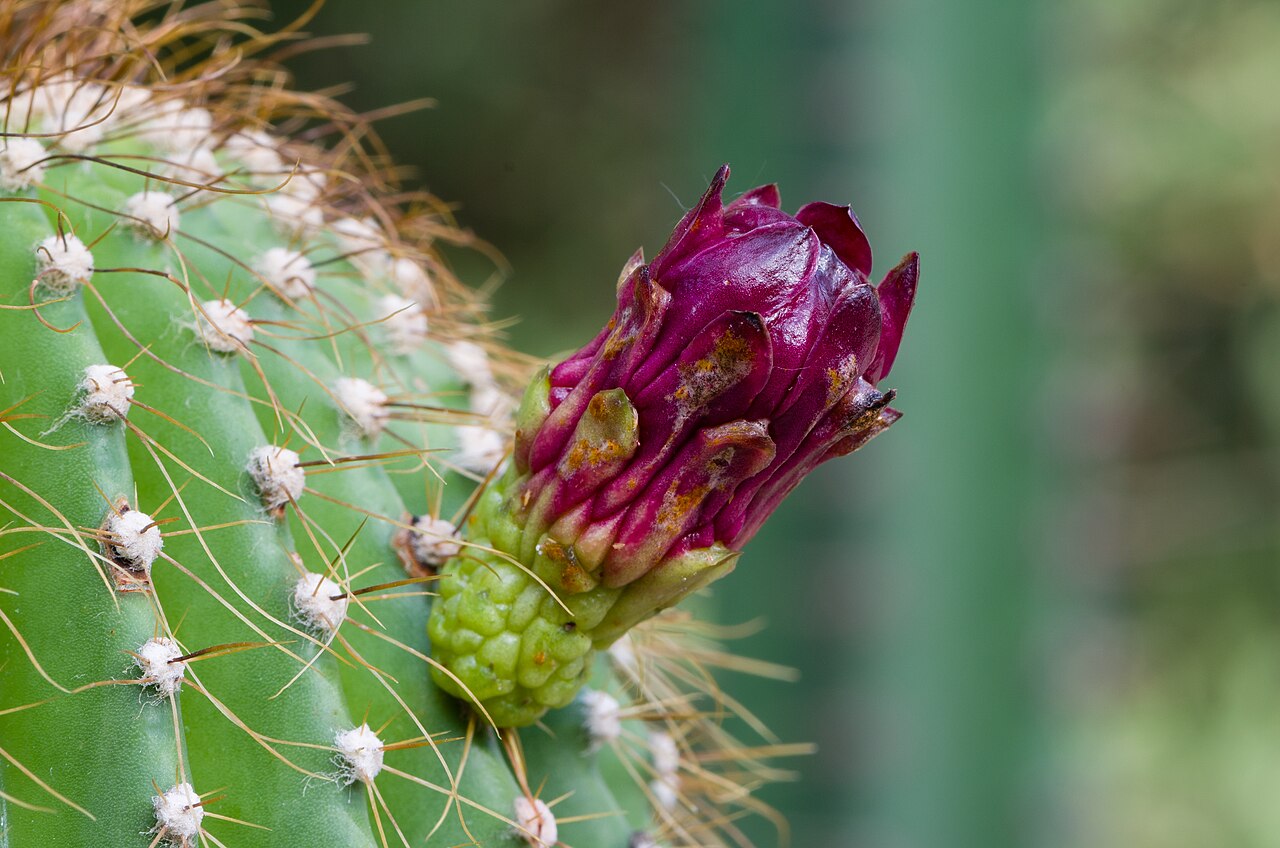
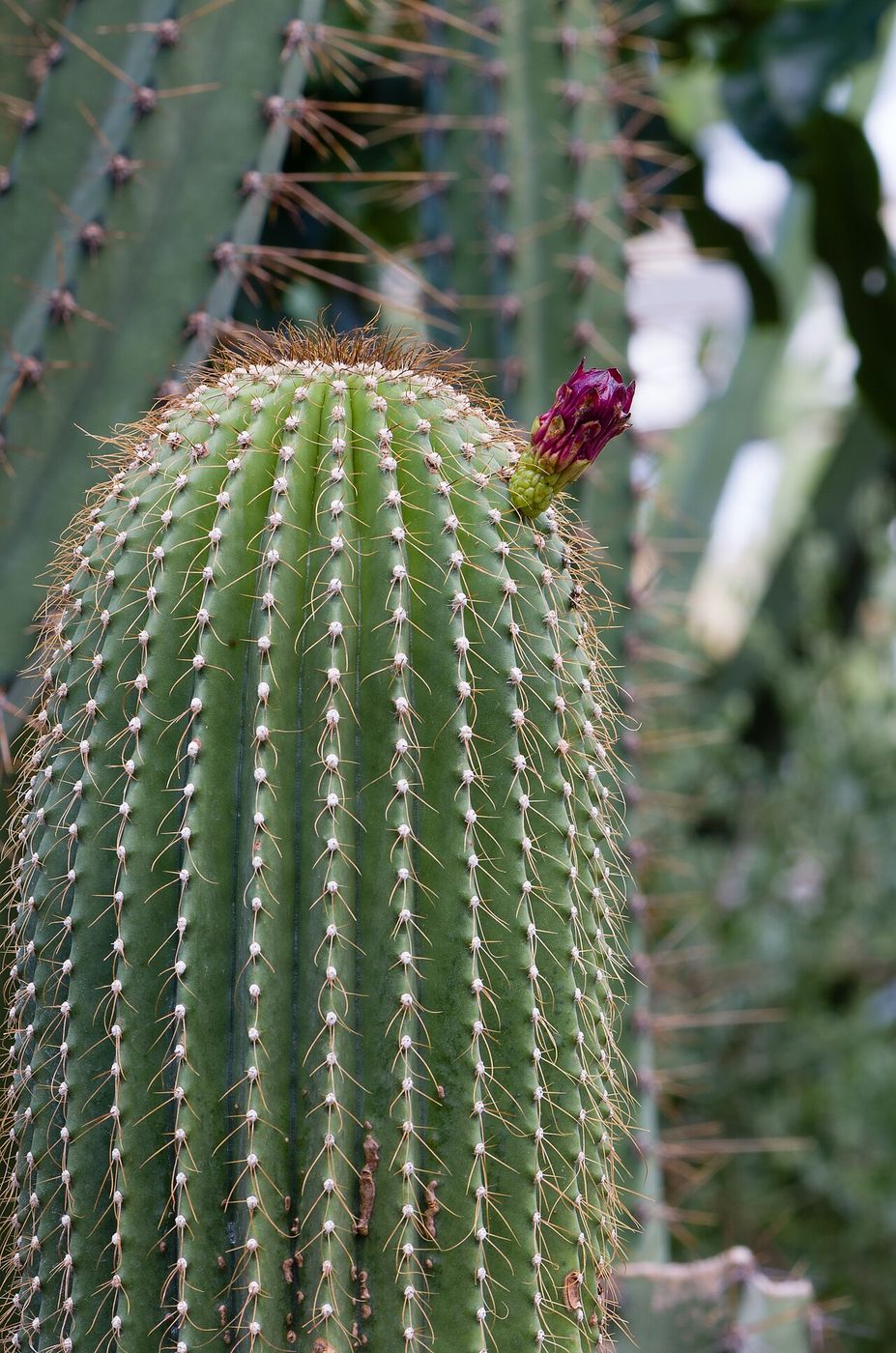
Cactaceae is a family of succulent plants, nearly all native to the Americas. Most species are leafless or nearly so, with stems that carry out photosynthesis. The family's defining feature is the areole, a small cushion-like structure unique to cacti that bears spines, hairs or glochids and gives rise to new growth and flowers. Growth forms range from the leaf-bearing shrubs and trees of the basal subfamilies to the columnar, globular and epiphytic stems typical of the larger subfamily Cactoideae.
Subfamilies
The 2025 nuclear-gene phylogenomic study recognizes six subfamilies. Its broad sampling informs family classification; it does not authenticate named garden clones.
| Subfamily | Covered on this site |
|---|---|
| Pereskioideae | Not covered on this site |
| Leuenbergerioideae | Not covered on this site |
| Opuntioideae | Not covered on this site |
| Maihuenioideae | Not covered on this site |
| Blossfeldioideae | Not covered on this site |
| Cactoideae | Includes tribe Cacteae — see Lophophora and Trichocereus / Echinopsis on this site |
Distribution
Nearly all Cactaceae are native to the Americas, from southern Canada to Patagonia, with the greatest diversity in Mexico and the southwestern United States, the Andes and eastern Brazil. Rainforest cacti and desert cacti occupy very different habitats and have correspondingly different moisture and light requirements; see the growing guide and evidence by plant group before applying one group's care to another.