The classification used here
Kew lists four accepted species: L. alberto-vojtechii, L. diffusa, L. fricii and L. williamsii. It places koehresii under diffusa. Older two-, three- or five-species accounts describe different treatments; they should not be combined into one contradictory inventory.
A low crown, a substantial root
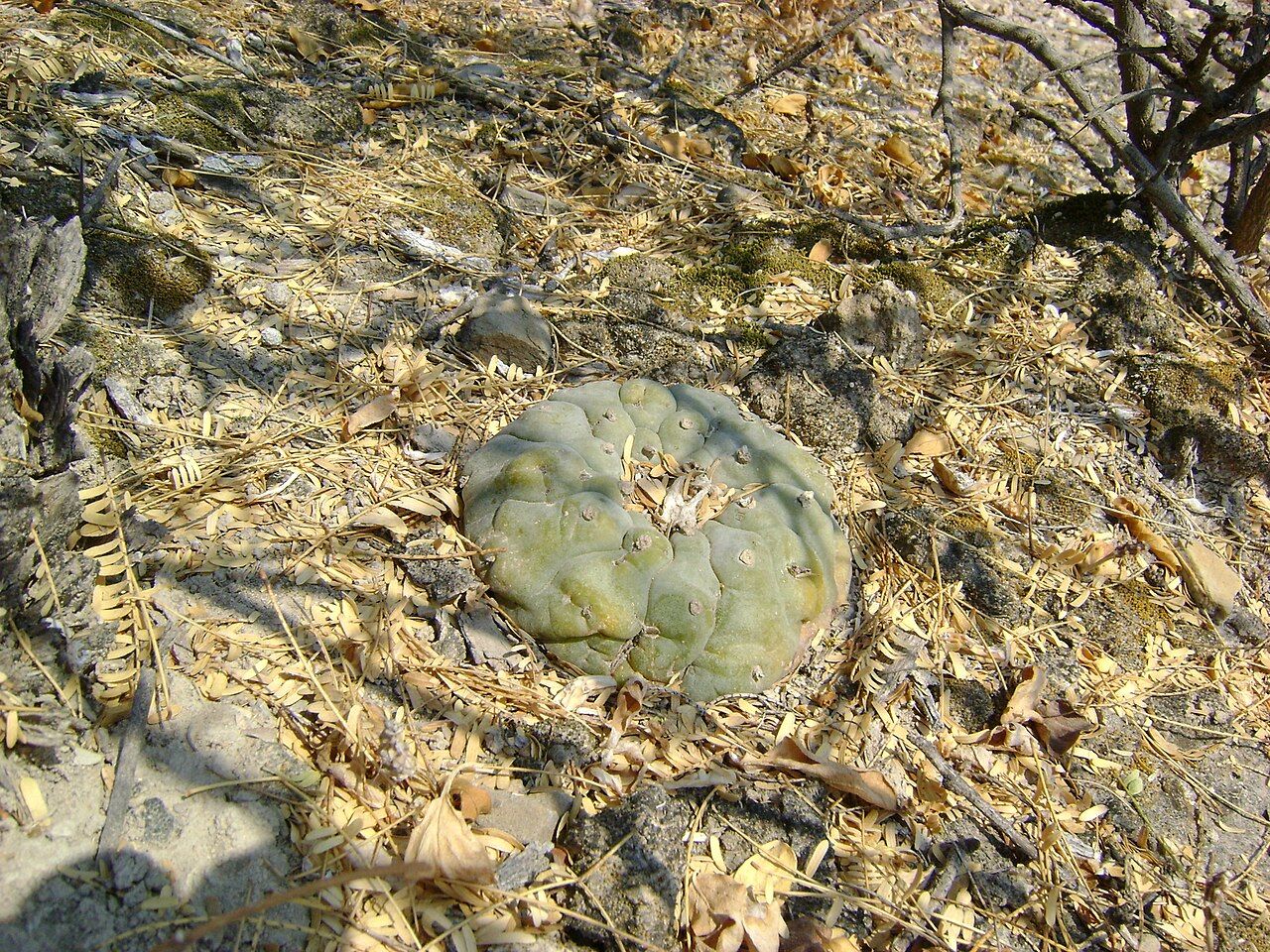
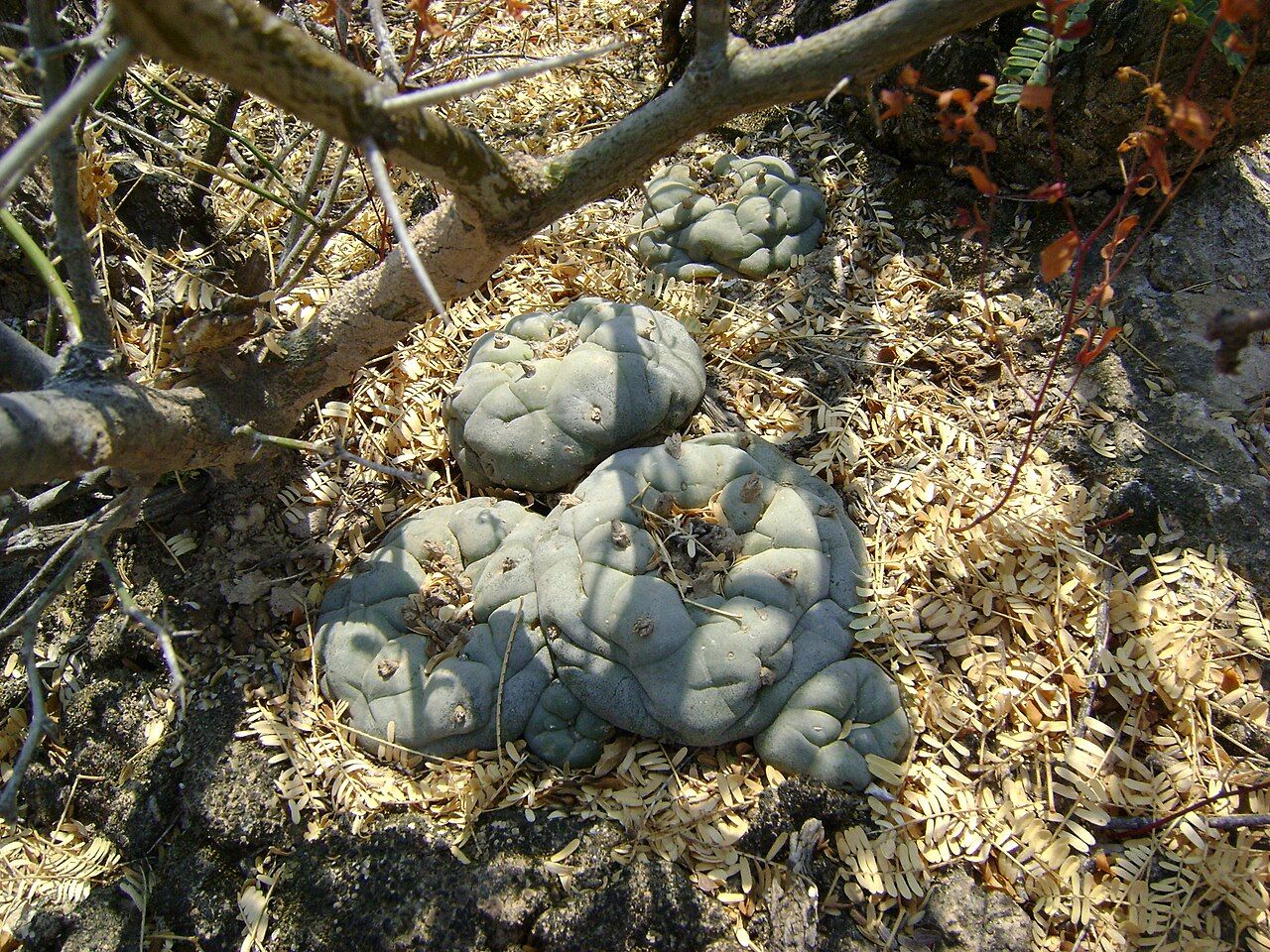
The Flora of North America describes low, fleshy stems with rounded ribs or shallow tubercles, woolly areoles and no spines. A taproot lies beneath the small visible crown. Flowers open by day near the apex. Its older species count differs from the current Kew treatment; the morphological description and the classification are cited separately.
Identification needs more than a flower color
Retain photographs of the body, flower and fruit together with provenance. A named locality is a source claim to document, not an identity that can be recovered from a single image. Names, localities and clones →
Keep the conservation context
Read the Cactus Conservation Institute’s field research alongside the sourcing guide. The Codex avoids publishing directions to vulnerable wild populations.